
Does Cooking Kill Cyclospora?

August 4, 2026
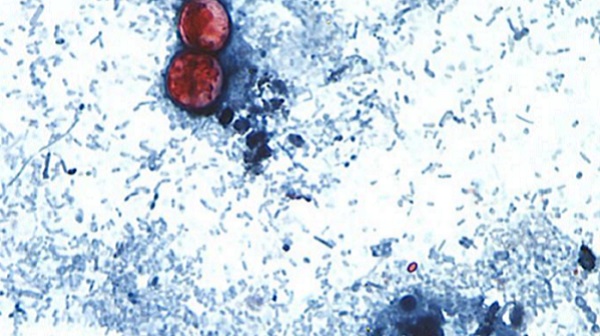
Yes, cooking can destroy Cyclospora. This parasite, which can cause a gastrointestinal infection called cyclosporiasis, can be successfully killed through heating the contaminated food thoroughly. In fact, heating the food to the right temperature is the only proven home method to destroy it, because Cyclospora has a very tough outer shell and is very protected by it.
Regular tap water rinsing, commercial products for washing fresh produce, or vinegar solutions will not kill this parasite. So, if you have some high-risk products that come from contaminated areas, then cooking is the best way for you to protect yourself.
What is Cyclospora?
Cyclospora is a parasite that can infest the small intestines and cause diarrhea, stomach cramps, nausea, and fatigue. It’s a disease called cyclosporiasis that requires a specific treatment.
It can be transmitted by consuming contaminated food or water that has human feces containing cyclospora oocysts, which are the protective shells of this parasite, making it hard to destroy with anything but cooking the food to the right temperature.
What Temperature Kills Cyclospora?
You’ll want the internal temperature of your food to be at least 158°F to successfully kill Cyclospora. You can achieve this temperature through roasting, baking, boiling, or steaming.
I would stick to the stove and oven if I’m having food that comes from the contaminated areas. Microwaves can heat the food unevenly, leaving some cold spots, and parasites can easily survive. That means you need to be extra cautious when microwaving food by covering it and stirring midway through cooking to ensure that it is properly cooked all the way through.
Why Doesn’t Washing Kill Cyclospora?
As I mentioned before, cyclospora has a very thick and tough double-layered shell that’s called an oocyst. It practically acts as an armored shield, and that makes this parasite resistant to any rinses, washes, or household solutions like lemon juice or vinegar. So, washing can remove dirt, surface bacteria and debris, but it will not eliminate this “armoured” parasite.
Cyclospora oocysts have natural adhesive properties, meaning they can be found in the leafy green imperfections, folds and grooves, textured fruits and fresh herbs. That’s why water or any other washing solution is not their “enemy”.
Why Doesn’t Freezing Kill Cyclospora?
Let me be clear on this: home freezing should never be trusted when it comes to cyclospora. Household freezers are operating at around 0°F, which is not cold enough to destroy this parasite. It’ll only slow down its biological processes, but it won’t be enough to fully kill its outer wall. On the contrary, this way the parasite will only be in a “resting” state that will regain its full potential when the food is thawed at room temperature.
Which Foods Have the Highest Risk of Cyclospora?
Most of the Cyclospora outbreaks are said to be in the fresh produce that people consume raw. Also, any fresh produce that’s been exposed to agricultural water or soil contaminated with fecal matter. Foods that have very complex physical geometry and high surface areas are the highest risk.
Leafy greens like lettuce or pre-packaged salad mixes where they have overlapping layers of leaves are very high risk. Fresh herbs like parsley, basil, and cilantro, those that are difficult to wash thoroughly. Raspberries and blackberries that have small drupelets can also be Cyclospora’s favorite hiding spots. All the podded vegetables like sugar snap and snow peas are usually imported and eaten raw, so they are also at a very high risk of carrying this parasite.
What Are the Symptoms of Cyclospora?
Cyclosporiasis symptoms are similar to the stomach flu symptoms but have some key differences between them. If you have been contaminated with this parasite, the symptoms will usually appear about 1 week after exposure. The most common symptom is watery diarrhea accompanied by abdominal cramps, intense bloating, and gas. You can also experience loss of appetite and nausea, with extreme exhaustion, fatigue, and muscle aches. If you have a fever, it will probably be mild.
Cyclosporiasis can be notorious and unpredictable if left untreated. In fact, you can suddenly feel like getting better in a few days only to have these parasite symptoms return with full force right after, leading to dehydration.
Conclusion
Cyclospora has its own heavy protection called an oocyst wall, so it’s essential to learn how this parasite behaves, what can kill it, and what precautions to take for your own health. It can only be destroyed if the internal temperature of the food you’re consuming is 158°F. No washing, no freezing the food, only heat treatment.
During active outbreaks, only cooking the greens and selecting fruits that can be peeled is the best way to be protected from this parasite.
FAQs
Can vinegar or produce wash kill Cyclospora?
No, nothing like commercial produce wash or vinegar can kill Cyclospora. To make food safe, you need to cook it so that the internal temperature reaches at least 158°F.
How is a Cyclospora infection treated?
Cyclosporiasis can only be treated with a specific prescription of trimethoprim-sulfamethoxazole, commonly sold as Septra or Bactrim.
Is Cyclospora contagious from person to person?
No, Cyclospora is not person-to-person contagious. Unlike the norovirus, you cannot catch this parasite from an infected person or by touching something they touched.
How long do I need to cook food to kill Cyclospora?
You don’t need long cooking to ensure that the parasite is destroyed, but it’ll help you if you have a food thermometer. That way you’ll be sure that you’ve reached a specific temperature like 158°F and the food is safe to eat.
Leave a Reply