
How to Properly Store Thanksgiving Leftovers

November 26, 2026
When it comes to Thanksgiving, we can all agree on one thing: There’s no such thing as too much food! But the reality is that leftovers are inevitable.
If there is one thing that I don’t like about leftovers, it’s when they are stale and not properly preserved. Once your food stops steaming, how you pack it will determine whether your lunch tastes fresh the day after Thanksgiving.
My eight hacks for saving the texture and freshness of your food will help you protect every container in your fridge.
Thanksgiving Leftovers Storage and Texture Matrix
| Dish | Fridge Life | Freezer Life | Best Move To Save The Texture |
| Carved Turkey | 3 to 4 days | 2 to 3 months | Pack off the bone with 2 to 3 tbsp broth and store skin dry |
| Stuffing or Dressing | 3 to 4 days | 1 to 2 months | Flash-vent uncovered on a sheet pan before lidding |
| Mashed Potatoes | 3 to 4 days | 1 month | Press parchment flush onto the potato surface |
| Turkey Gravy | 3 to 4 days | 2 to 3 months | Cool shallow, then chill in a narrow jar for a fat seal |
| Roasted Veggies | 3 to 4 days | Not recommended | Line the container bottom with a folded paper towel |
| Cranberry Sauce | 10 to 14 days | 2 months | Store in glass or ceramic and never cover with foil |
| Pumpkin, Pecan or Cream Pie | 3 to 4 days | 1 to 2 months | Refrigerate and press parchment to cut filling edges |
| Fruit Pie | 4 to 5 days | 2 months | Keep loosely tented at room temperature for 48 hours |
“Broth Bath” for Sliced Turkey Breast
Turkey breast is a delicate part of the turkey because it can trap the core heat for hours and take up the entire shelf while the outer meat dries out. That’s why stripping the meat off the bones while the turkey is still slightly warm is an important step. The meat separates cleanly from the joints without shredding. Make sure to pack the dark and white meat separately.
Add two or three tablespoons of cooled turkey stock into the bottom of the container with the turkey breast because that piece of meat has almost zero intramuscular fat. Or, you can also put dampened parchment paper with turkey broth and place it over the white meat before closing the container. That way your meat won’t get chalky, and it will be perfect for the next day.
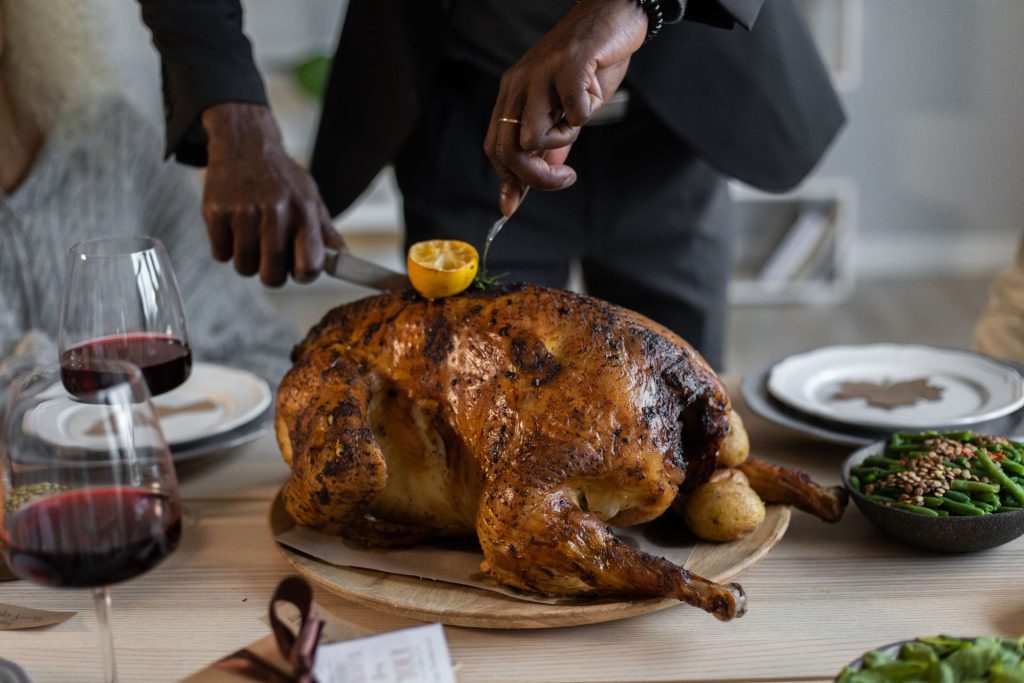
Always peel off the skin before cooling off and store it separately between paper towels in a zip-top bag. That way the skin won’t get rubbery from the moisture of the meat.
Don’t Use Aluminum Foil for the Cranberry Sauce
Cranberries contain citric and malic acid, so when you cover it with aluminum foil, it creates a reaction that can make your food taste metallic. It’s when the aluminum foil comes in contact with high-acid food that contains salt and moisture and creates a reaction by eating tiny pinholes into the foil.
Place the cranberry sauce into a glass jar or ceramic container with a non-reactive lid. Cranberries contain natural sugar and high acidity, and with that, it can stay fresh easily for 10 to 14 days in the fridge.
Store the Gravy Separately From the Meat
Gravy should not be poured over the meat before refrigerating. That way you’ll end up having soggy leftovers for the next day, and nobody wants that.
Instead, let the hot gravy cool down in a shallow bowl so the center drops out of the temperature quickly, and quickly pour it into a narrow glass mason jar. When the gravy chills, the poultry fat rises to the top and solidifies into a tight white seal. When reheating it you can either remove the fat cap or just whisk it right back in.
Let the Stuffing Cool Down Before Sealing the Lid
When you seal stuffing into an airtight container without cooling it down in the first place, you’ll end up having trapped steam that will make the perfectly crisped bread cubes into a mushy mess.
Spread the leftover stuffing in a single layer on a baking sheet for 20 minutes so the steam can escape without drying out the interior. Then you can pack it up into an airtight container. If you want to freeze them, just place them individually into a muffin tin, freeze solid, and place the individual pucks into a freezer bag.
The Right Way to Seal Mashed Potatoes
If you store mashed potatoes in a container that has only an inch of air beneath the lid, the top will become rubbery and gray. Instead, smooth out the surface of the mashed potatoes and place a parchment paper or a plastic wrap on top of the mash before closing the lid.
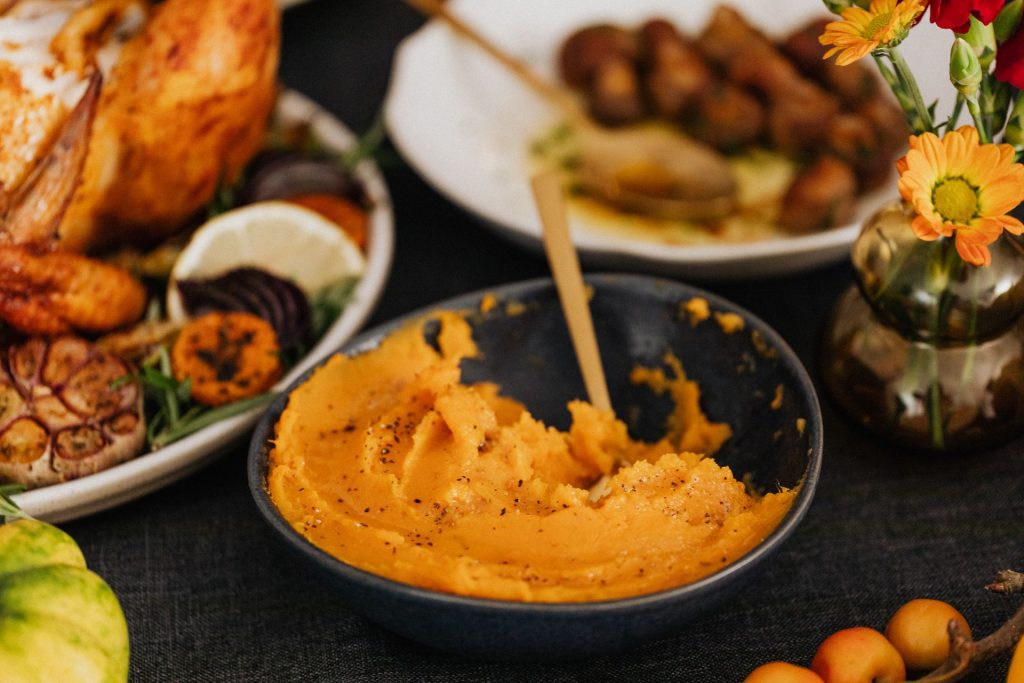
As for freezing the mashed potatoes, you can only freeze the ones that have a heavy amount of butter and heavy cream in it. The low-fat one that’s only made with milk or broth will turn into “syneresis,” which means that the water and the starch will separate into tiny crystals once the mash is thawed.
Paper Towel Lining for Roasted Veggies
Leftover veggies like caramelized carrots, green beans, or roasted brussel sprouts continue to sweat a lot of moisture while cooling down. So, the most effective way to store them is to place a piece of paper towel at the bottom of the container before adding them, cooled down, of course. That way, the paper will absorb any moisture, and you’ll end up having your greens firm enough before re-roasting them.
The “Two-Zone” Hack for Storing Pie
You don’t want to ruin a good pastry crust by placing the pie into the refrigerator. The cold will turn the flaky and tender crust into stale and chewy. However, not every pie is safe to sit on the counter.
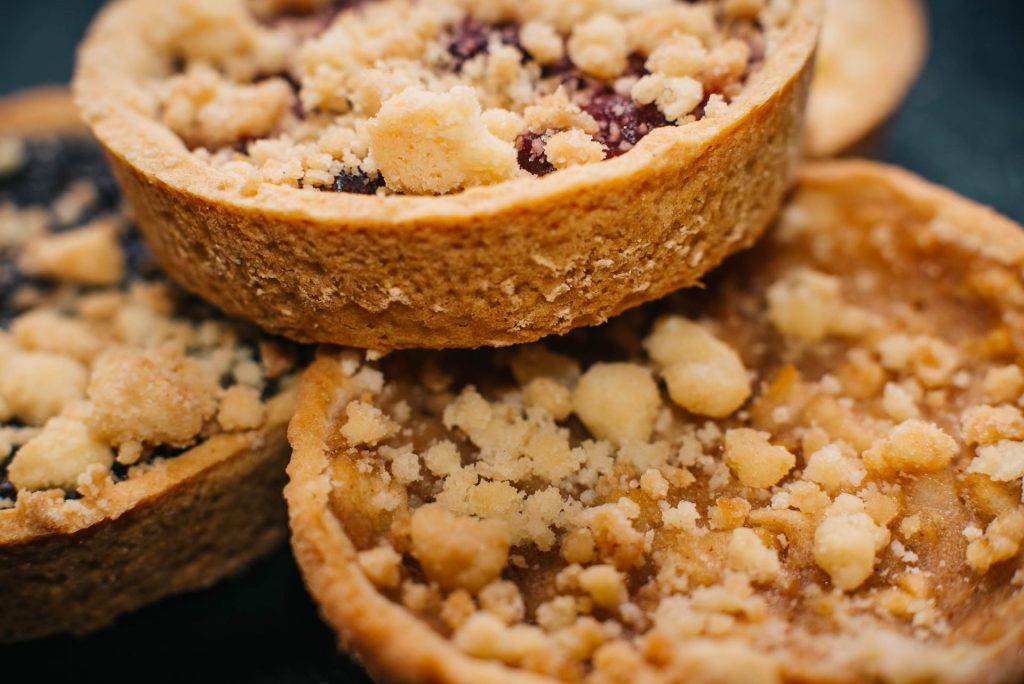
Fruit pies like apple, berry, cherry, and peach pies can be left on the counter for up to 2 days, since they have enough sugar and acid to stay safe without dairy or eggs. But only cover them loosely, never seal them tightly with plastic, because that way humidity traps and softens the crust.
Cream, custard, sweet potato, and pumpkin pies can be refrigerated for up to 4 days and need to be chilled within 2 hours of serving because they contain dairy and eggs. Just place parchment paper over the exposed edges of the filling so it doesn’t crack or dry out.
Turn the Turkey Bones Into Broth Right Away
You can immediately place the leftover turkey bones into a stockpot with onions, celery tops, and peppercorns and let it simmer overnight, or you can put it into a double-bag with no air in it, and you can make a healthy and delicious soup in January.
Don’t Let Thanksgiving Good Food Go to Waste
Leftovers are one of the best parts of Thanksgiving, as long as they don’t end up dry, soggy, or mushy by the next afternoon. With a few simple tricks, you can protect the texture of every single dish. Put these eight hacks to work on Thursday night, and you’ll get to enjoy the holiday feast all over again.
Leave a Reply